

- Lead News
- National
''1 crore 60 lakh families will come under family card in four years''
- লিড নিউজ
- National
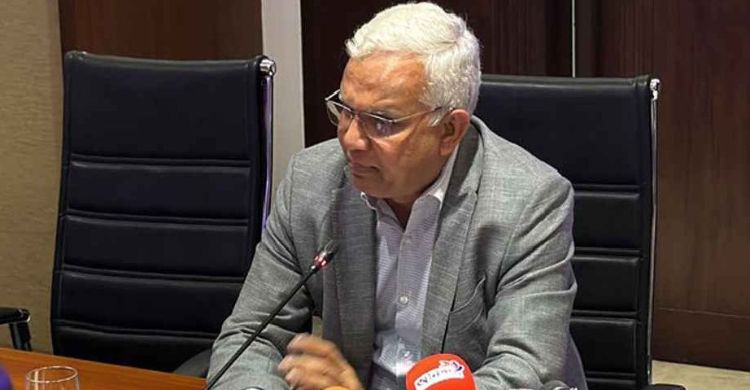
Photo: Collected
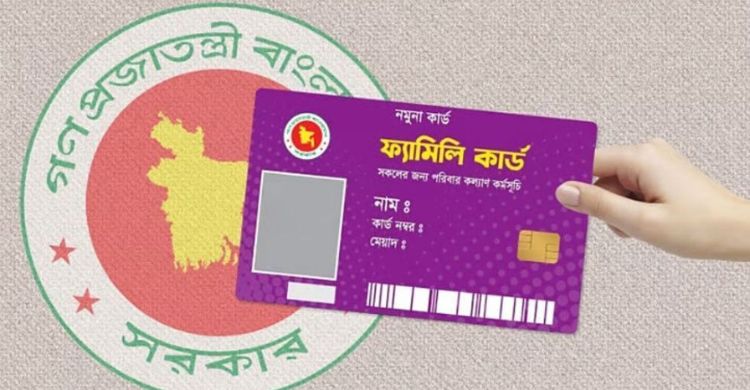
News Desk: Following the successful implementation of its pilot phase, the government is set to officially launch the much-discussed Family Card Program on 16 August. In the first phase, the Prime Minister will inaugurate the program in Ward No. 8 of Latifabad Union, Kishoreganj Sadar Upazila. Over the next four years, the government plans to bring 16 million (1.6 crore) families under the program.
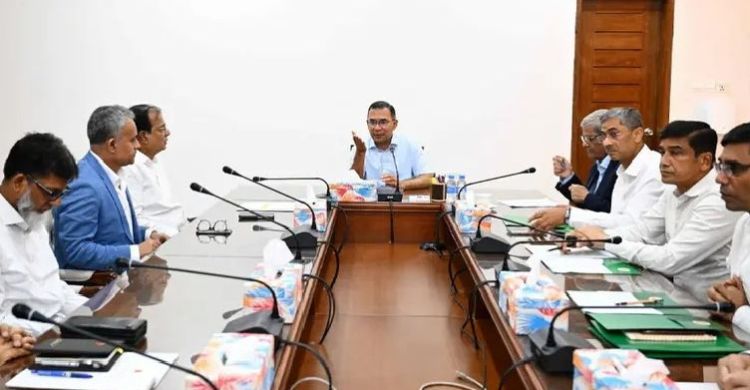
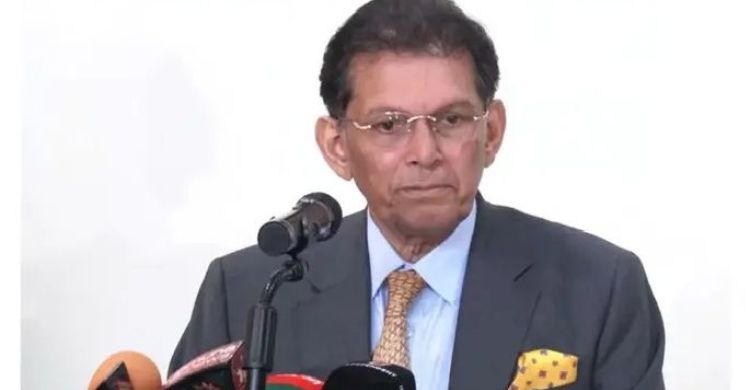
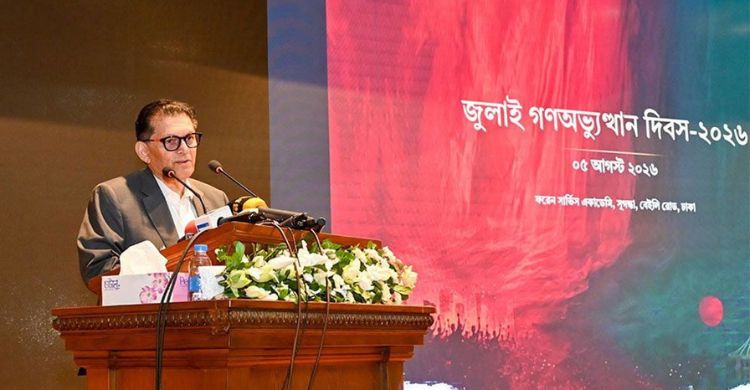
The announcement was made on Thursday (6 August) by Social Welfare Minister Professor Dr. A.Z.M. Zahid Hossain after a meeting of the Cabinet Committee on the Family Card Program, chaired by Finance Minister Amir Khasru Mahmud Chowdhury, at the Secretariat.
The minister said that measures have been put in place to ensure that no eligible person is left out and no ineligible individual is included in the program. Information will be regularly updated and reviewed through a dynamic social registry, allowing the database to reflect changes in people's socioeconomic conditions.
He explained that beneficiary information will be verified at the union level to prevent both exclusion and wrongful inclusion. The government's objective is to reduce weaknesses in the distribution of social allowances and Family Cards through continuous data verification and review.
According to the minister, people's economic conditions can change over time. A household may move from poverty to lower-income or middle-income status, while others may fall back into poverty. Therefore, the registry will remain dynamic, with regular updates to ensure that assistance reaches those who genuinely need it.
Dr. Zahid Hossain emphasized that the program does not allow discrimination based on religion, ethnicity, or political affiliation. It is being implemented in line with the government's commitment to building an inclusive and humane society.
He reiterated that the official inauguration will take place on 16 August in Ward No. 8 of Latifabad Union in Kishoreganj Sadar Upazila. The program will then be expanded gradually to every upazila and union across the country by the end of October, as nationwide implementation cannot be carried out simultaneously.
The minister said the government aims to include approximately 16 million families within four years, although the final number may increase depending on the outcomes of data collection and evaluation.
He noted that providing financial assistance directly to women in the family would encourage greater investment in children's education, nutrition, healthcare, poultry farming, tree plantation, cottage industries, sewing, and small-scale entrepreneurial activities. This approach is expected to strengthen women's empowerment while contributing to the reduction of rural poverty.
The minister added that the pilot project had produced encouraging results. Going forward, the government will regularly evaluate how financial assistance is being used and assess its impact on poverty reduction. Independent research will also be conducted by the Finance Division, the Implementation Monitoring and Evaluation Division (IMED), and both domestic and international universities. However, such studies will require at least six months before meaningful findings can be produced.
He further stated that the program's policy guidelines, questionnaires, eligibility criteria, and related information have all been made publicly available online and are not confidential documents.
Dr. Zahid Hossain said that a National Committee, chaired by the Finance Minister, has been formed to oversee the program. The Prime Minister is also personally monitoring its progress and providing necessary policy guidance on a regular basis.
Highlighting the importance of the media, he said that if journalists identify any weaknesses or irregularities in the implementation process, the government will carefully consider those reports and take appropriate corrective action.
Responding to a question from journalists, the minister said that information will initially be collected nationwide. Afterward, the database will be updated every month to record deaths, changes in socioeconomic status, or any other relevant developments as quickly as possible.
Answering another question, he said that pilot activities had been conducted in 56 locations across the country. Minor problems in data collection were identified in two areas of Jashore and Netrokona, but these have since been corrected. No significant issues were reported in the remaining 54 locations, and the overall error rate was below 3 percent.
He also announced that, starting 16 August, all data collection will be conducted entirely online using a new questionnaire and an updated methodology. Any new weaknesses identified during implementation will be addressed through continuous monitoring and correction.
To ensure transparency and accountability, the government has established a three-tier monitoring system. Data collection at the union level will be carried out by government officials rather than political representatives. A first-class government officer will supervise data collection in every union.
At the upazila level, a committee led by the Upazila Nirbahi Officer (UNO) will verify the information, with ICT and statistics officers also participating. At the district level, committees will operate under the leadership of the Deputy Commissioner (DC) in coordination with the Deputy Director of the Department of Social Services. At the divisional level, Divisional Commissioners and other relevant officials will oversee implementation, while a separate committee will supervise the program at the national level.
The minister concluded by saying that the Prime Minister regularly reviews the program's progress and provides necessary instructions. At the same time, the Cabinet Division and the Ministry of Finance will verify beneficiary information to ensure that no individual receives multiple social allowances. The program, he said, will be implemented in full compliance with government rules, policies, and transparency standards.
Government Will Not Engage in Any Form of Misinformation:...
1
News Desk: Government Will Not Engage in Any ...
Employment Exchange’ to Be Introduced at the District Lev...
2
News Desk: Prime Minister’s Adviser and...

Major Reshuffle in Top Police Positions
3
News Desk: A major reshuffle has been made in the ...
There are 128.6 million voters in the country, up by 300,...
4
News Desk: Senior Secretary of the Election Commis...
Prime Minister: Do not disrupt peace and order by making ...
5
News Desk: Prime Minister Tareque Rahman said that...



মন্তব্য (0)