- National
Farooki Expresses Gratitude to the Prime Minister
- National
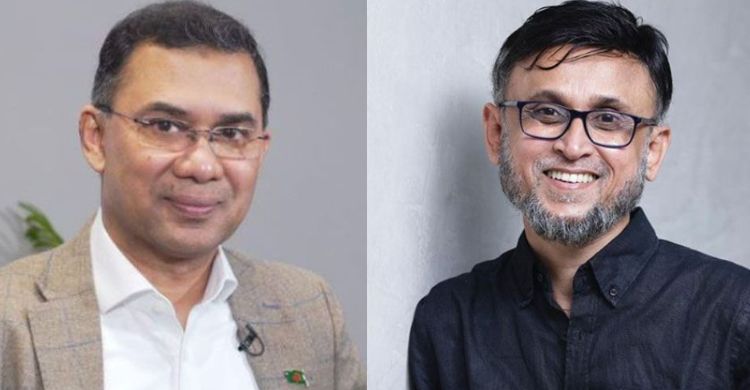
Photo: Collected
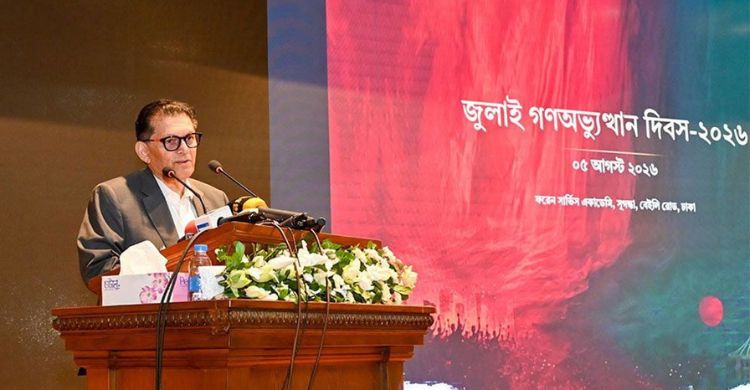
Former Cultural Affairs Adviser to the interim government Mostofa Sarwar Farooki has said that it is impossible to understand the "DNA" of the past 16 years without first understanding the period from 1972 to 1975.
Farooki made the remarks in a Facebook post on Wednesday (August 5), in which he also expressed gratitude to Prime Minister Tarique Rahman for his commitment to the establishment of the July Museum.
"I would first like to sincerely thank Prime Minister Tarique Rahman. His personal commitment to opening this museum was 200 percent," Farooki wrote, while also acknowledging the contributions of several senior and younger members of the current government.
He noted that the museum was designed to provide visitors with an immersive experience through trained explainers who would complement the exhibits with storytelling and emotional context. However, he expressed disappointment that museum explainers have yet to be appointed.
"This is so important that during earlier VIP visits, I personally served as the museum explainer," he wrote.
Farooki also criticized the way the Prime Minister was shown the museum during the inauguration, saying the guided tour skipped the opening section that traces Bangladesh's political journey from the Liberation War through the periods of 1972–75, the Ziaur Rahman era, Ershad's military rule, the return to democracy under Khaleda Zia, and the One-Eleven political transition.
"This section is called 'Long Walk to Democracy.' Visitors are supposed to pass through this journey before entering the story of the past 16 years. Watching the Prime Minister begin the tour from the middle instead of the beginning was heartbreaking for me," he said.
Although he acknowledged that the museum remained powerful even without the full guided experience, Farooki said he had requested the Prime Minister to return for a proper guided tour so he could better understand the museum's broader vision.
According to Farooki, the museum has the potential to become not only a memorial to the July Mass Uprising and the past 16 years but also a major center for presenting Bangladesh's political, cultural, and historical journey in an engaging way.
He also expressed disappointment that several planned sections—including "1972 to 1975," "Journalism Under Fascism," "The Diaspora in July," and "The Spirit of July in the Districts"—have not yet been developed as standalone exhibits.
"Without understanding the period from 1972 to 1975, it is impossible to understand the DNA of the past sixteen years," he wrote.
Farooki further said that many individuals and organizations had worked tirelessly to collect materials and support the museum's development, but many of them were reportedly not invited to the opening ceremony. He said they deserved proper recognition for their contributions.
Government Will Not Engage in Any Form of Misinformation:...
1
News Desk: Government Will Not Engage in Any ...
Employment Exchange’ to Be Introduced at the District Lev...
2
News Desk: Prime Minister’s Adviser and...

Major Reshuffle in Top Police Positions
3
News Desk: A major reshuffle has been made in the ...
There are 128.6 million voters in the country, up by 300,...
4
News Desk: Senior Secretary of the Election Commis...
Prime Minister: Do not disrupt peace and order by making ...
5
News Desk: Prime Minister Tareque Rahman said that...



মন্তব্য (0)