



- Open Discussion
Prime Minister Tarique Rahman’s “Bangladesh First” Doctrine got off to an amazing start: Professor Islam
- Open Discussion
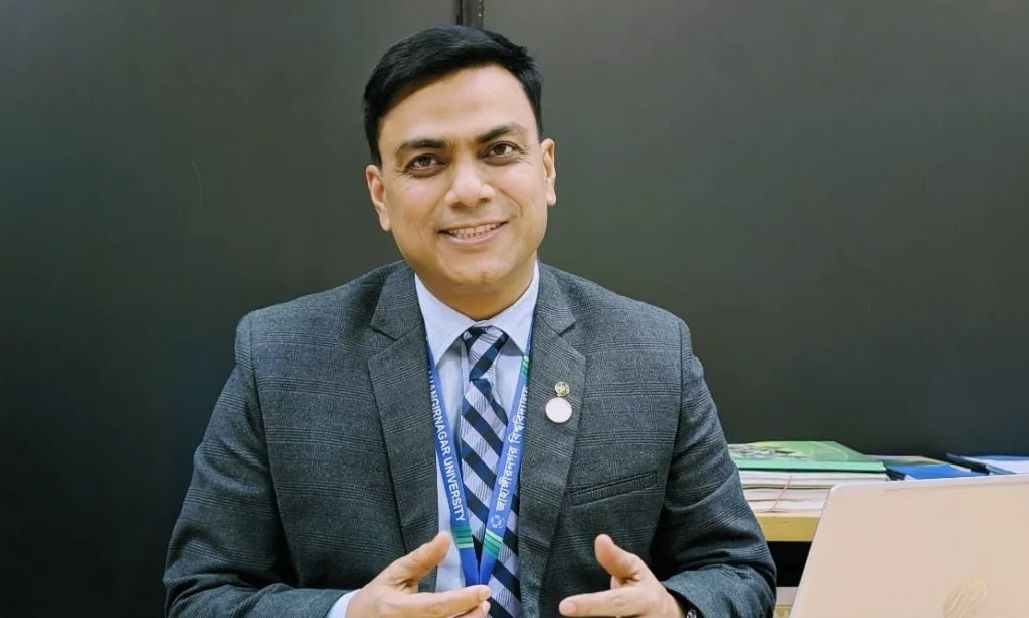
Photo: CNI
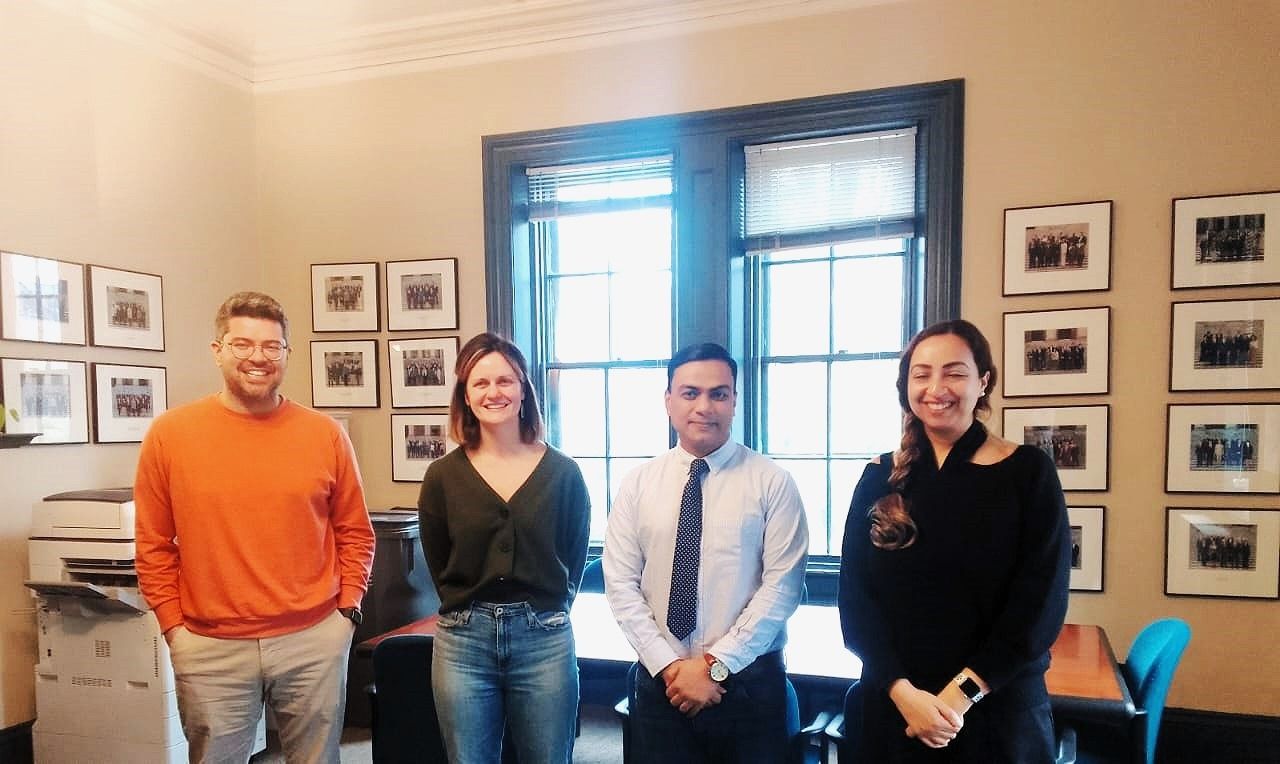
Dr Mohammad Tarikul Islam (MTI) is a Professor of Government and Politics at Jahangirnagar University in Bangladesh. Before joining the University, Dr Islam worked with the United Nations Development Programme for a period of seven years in diverse capacities. Dr Islam often serves the National Defence College, Bangladesh Public Administration Training Centre, the National Institute of Local Government, and Police Staff College as a resource person. Professor Islam has been affiliated with Oxford, Cambridge, Harvard and LSE in different prestigious capacities (Post-Doctoral Fellow, Visiting Scholar and Visiting Professor). Professor Islam’s selected book publications include: 1) Economic Diplomacy: Reshaping Bangladesh-Latin American Diplomatic Relations from Springer Nature; 2) COVID in South Asia: Impact on Society, Economics and Politics from Routledge; 3) Disaster, Governance and Development: Perspectives from Bangladesh from Springer Nature; 4) Local Government in Bangladesh: Contemporary Issues and Challenges from Routledge and 5) Media, Diplomacy and Forced Migration from Springer Nature.
In an interview with Professor Islam offered a general assessment of the first overseas visit of Mr. Tarique Rahman, Prime Minister (PM) of Bangladesh, to China and Malaysia. Dr Tarikul Islam detailed how the visit demonstrates a carefully calibrated diplomatic approach, reaffirms his declared commitment to a “Bangladesh First” policy, and sends a message that his government intends to pursue a practical foreign policy motivated more by national interests than by geopolitical alliances. Below is an edited excerpt of the discussion:
*What objective factors were taken into account when the prime minister of Bangladesh visited Malaysia for the first time?*
*MTI:* Notably, Bangladesh has a historic relationship with Malaysia as it was one of the first countries to establish diplomatic relations with Bangladesh in 1972 after the independence in 1971. Malaysia's swift recognition and the largely Muslim population paved the way for the beginning of Bangladeshis travelling to Malaysia for employment by 1976. What is more important is that the visit is a down-to-earth manifestation of the "Bangladesh First" philosophy, as often proclaimed by Tarique Rahman. The core of this policy is foreign relations, which should be based on the primary interests of the people and the economy of the country. The government does not want to get caught up in power politics but wants to get some concrete gains in terms of trade, investment, job creation and economic cooperation for the citizens.
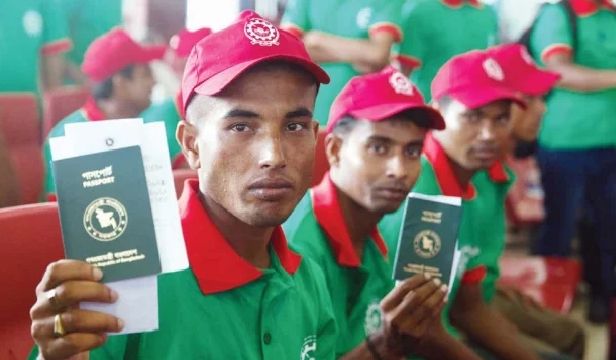
Malaysia is certainly a perfect place for such goals to progress. Besides the diplomatic contact, there is a good linkage between Bangladesh and Malaysia at people to people level. Bangladeshi workers have made substantial contribution to the economic growth of Malaysia during the last few decades, in numbers of hundreds of thousands. In turn, their remittances have helped to drive the economic development of Bangladesh and have raised the standard of living of many families. Currently, Malaysia has become a primary destination for Bangladeshi migrant labourers, after the Middle East, with about a million of them living there. But a large number of Bangladeshi migrant workers, who are alleged to be undocumented, are also living in Malaysia, which is one of the challenges to be addressed by the two countries. Over the last few years, however, the recruitment of Bangladeshi workers to Malaysia has been disrupted and restricted, leaving both potential migrant workers and employers uncertain. But, it is clear that Mr Rahman used the visit to the host to make labour migration a major topic of discussion. Nowadays, Malaysia has become more than a friendly country to the people of Bangladesh.
The most crucial result of Tarique Rahman's visit is the improvement towards re-opening and streamlining the labour recruitment procedure. Thousands of Bangladeshi workers still aspire to find jobs in Malaysia and Malaysian industries in manufacturing, construction, plantation, and services sectors need to have stable work force. A renewed labour agreement will therefore certainly lead to accrual of mutual benefits. It would provide job opportunities, bring in remittances and alleviate economic pressures in Bangladesh. In Malaysia, it would help to overcome manpower shortages and contribute to maintaining economic productivity. Tarique Rahman has given this particular subject due importance in his first-ever foreign visit, which reflects his keen concern of ordinary people of Bangladesh instead of symbolic diplomatic engagements.
Furthermore, there is need for more attention to be paid on the economic dimension of Bangladesh-Malaysia relations than labour cooperation. Bangladesh is preparing for the post-LDC era, making export diversification a national need. Bangladeshi items, such as clothing, pharmaceuticals, leather goods, pottery, agricultural products, and information technology services, may have more chances in Malaysian markets. Bangladesh may learn a lot from Malaysia’s experience in high-value manufacturing, digital transformation, Islamic financing, and industrial development. Actually, in the present reality, there is no alternative but to search for a convenient market in East Asian countries for Bangladesh.
Hopefully, more investment cooperation is made possible by the visit. One benefit of Mr. Rahman’s visit is the Malaysian Prime Minister’s strong commitment to assist Bangladesh in addressing the prolonged Rohingya crisis through joint efforts under the auspices of ASEAN. Similarly, Malaysia has significant experience in areas that closely match Bangladesh’s development goals. These include advanced manufacturing, logistics, tourism, halal industries, port development, and renewable energy. Increased Malaysian investment in Bangladesh may support economic modernisation, technological transfer, and job development.
*After Malaysia, how significant was Bangladesh’s prime minister’s visit to China?*
*MTI:* The recent meeting brought historic results, especially in the joint announcement to build a new era of the China-Bangladesh community with a shared future with China's support for Bangladesh's governance, and Bangladesh's reiteration of the one-China principle. This perfectly aligns with how our two nations have historically built their relationship on the Five Principles of peaceful coexistence, treating one another with equality and respect, and serving as role models for cooperation among developing nations during the more than 50 years since diplomatic relations were established. There are regular high-level political contacts between the two nations. They expanded their partnership to a comprehensive strategic cooperative partnership in 2024. For 15 years running, China has been Bangladesh’s biggest commercial partner. For Bangladeshi goods sent to China, 100% of taxable commodities are treated with zero tariffs. Bangladesh’s transport system has greatly improved because of notable infrastructure initiatives like the Padma Bridge.
Additionally, China and Bangladesh cooperate to protect regional peace and stability while tackling the Rohingya refugee crisis. Building regional connectivity networks has been aided by their collaboration under the Belt and Road Initiative. They have also set up platforms supporting regional governance and poverty alleviation alongside other South Asian nations. Even with these outstanding accomplishments, there are still a number of obstacles in the way of the China-Bangladesh relationship’s advancement.
As you are aware, China has continuously pushed its companies to set up production facilities in Bangladesh, taking advantage of the country’s lower labour costs to create high-value products for export. Bangladesh’s incorporation into Asian industrial chains and international processes will be facilitated by increased regional and Global South cooperation.
I believe it is possible to improve institutionalised interactions between local governments, think tanks, and political parties. There isn’t a development paradigm that works for everyone, and Bangladesh has the resources and capacity to follow a modernisation path that incorporates both Eastern and Western experiences.
*Could you discuss how Bangladeshis generally see his initial trips to Malaysia and China?*
*MTI:* By choosing Malaysia and China as his first destinations, Tarique Rahman signals that Bangladesh will not define its foreign policy through the lens of any single power relationship. Rather, government seems determined to spread its partnerships and reach out in Asia and beyond. It helps to build the negotiating power of Bangladesh and mitigate risks arising from dependency on any particular country.
Also, it will showcase the emerging role of middle powers in modern international politics. Malaysia and China have proved themselves as positive players in the development of economic integration, regional stability and multilateral cooperation. Better connection with such partners can contribute to widen the diplomatic scope of Bangladesh and open up new opportunities.
Moreover, first visit to China and Malaysia shows the positioning of the economic interest of Bangladeshi people, no needless geopolitical signalling and maintaining balanced relations with big countries. It illustrates a pragmatic and systematic attitude toward international affairs, an attitude that is welcome in an era of world politics in which many countries are feeling compelled to take sides.
The public is hopeful about PM Tarique Rahman's first official visits to both China and Malaysia as it will help further Bangladesh's long-term economic interests amid growing pressures on the nation to create more jobs, attract investment, boost productivity and prepare for a more competitive global economy. Truly speaking, Bangladesh still struggles with a large population and relatively limited wealth. However, if people can't afford the price of U.S., U.K., Japan, or other developed country products, there is no alternative to Chinese products in the Bangladeshi market.
The delivery of a government's useful outcomes to its people is often a yardstick by which to measure its foreign policy. The public’s trust in the government’s diplomatic approach will be strengthened if the visit results in increased investment, trade, labour recruitment, and economic cooperation.
Ultimately, the significance of Prime Minister Tarique Rahman’s first international travel lies not only in his destination but also in the significance of the decision. Malaysia is neither a geopolitical battlefield nor a controversial diplomatic destination. It is a friendly nation with substantial untapped collaboration potential and close social and economic ties to Bangladesh.
Tarique Rahman’s government’s vision for Bangladesh’s position in the world, which prioritises Bangladesh, may be defined by this journey, which is more than just a diplomatic one. China is prepared to maintain its long-standing friendship with Bangladesh, strengthen practical cooperation, increase political mutual confidence, and be the most dependable partner in Bangladesh’s path of national development.
*: Does his initial visit to China and Malaysia lead to misunderstandings with his closest neighbour, India, regarding potential deeper bilateral relations?*
*MTI*: I don’t think Bangladeshi Prime Minister Tarique Rahman’s decision to prioritise China and Malaysia on his first international tours would cause much debate or generate significant concerns about Bangladesh’s geopolitical orientation in New Delhi. Moreover, deepening relations with one country does not necessarily mean limiting relations with others. Bangladesh, since the very beginning of its independence, follows the principle of "Friendship to all, malice towards none." Therefore, I believe this will not hamper bilateral trust or relations with India at all. Mr. Rahman’s mature foreign policy is demonstrated by his deliberate support of “Bangladesh First” as an economic diversification strategy rather than a formal slide away from India.
You can remember in a letter to Indian Prime Minister Narendra Modi in March 2026, Mr. Tarique Rahman accepted his invitation to travel to India, indicating a larger attempt to mend strained bilateral relations. India has traditionally been Bangladesh’s most significant neighbour, and the two nations have maintained close ties in a variety of fields. However, since the overthrow of previous Prime Minister Sheikh Hasina’s government, bilateral relationships have had difficulties and are currently going through a period of adjustment; relations have not yet stabilised.
You know, many other nations on the Indian subcontinent have attempted to diversify their foreign policy over the past ten years in order to maximise economic interest. For example, just after Nepal gained democracy in 2008, Pushpa Kamal Dahal “Prachanda,” the country’s first democratically elected prime minister, travelled to Beijing as a guest to attend the 2008 Olympic Games closing ceremony. In a similar vein, Maldivian President Abdulla Yameen made his first international trip to China in 2017 rather than India. On his first international tour, Mohammed Muizzu travelled to Turkey and subsequently Saudi Arabia, following in the footsteps of President Yameen, the current president of the Maldives.
Like other significant countries, I believe that India will definitely be part of the PM’s official visit schedule in the near future. The recent visit to New Delhi by the Bangladeshi foreign minister and foreign affairs advisor to PM Mr. Rahman, as you are aware, implies that the friendly bilateral relations between the two neighbours should be re-established on the basis of mutual respect and common interests. However, cooperation between China and Bangladesh should not be viewed solely through the prism of geopolitical rivalry and is not directed at any third party. Decentralising Bangladesh’s foreign policy and establishing a new standard for its future is, in my opinion, PM Mr. Rahman’s accomplishment so far.
*: What do you think of PM Rahman’s visit to China and Malaysia as a public diplomacy expert, and what idea would you give him moving forward?*
*MTI:* You know, China, meanwhile, remains one of Bangladesh’s most important economic partners. Chinese cooperation on infrastructure projects, investment promotion and potential financial support underline the economic weight of the relationship. Beijing is also Dhaka's major source of technology, industrial investment and development funding. From this point of view, the selection of Malaysia and China seems to be more of an economic rather than a symbolic diplomatic choice. Bangladeshi officials have been cautious in emphasising that India is not being sidelined. Rather, they contend that the mainstay of the foreign policy of Bangladesh has now shifted from a one-sided approach to a diversified approach that maximises the national interest.
As you know, the idea of “Bangladesh First” is often used in government statements. Authorities say that foreign policy decisions need to be made on economic and strategic considerations and not on external perceptions. The diplomatic approach is part of a general drive to diversify Bangladesh's international collaborations. All relations are pursued simultaneously, including with China, ASEAN countries, Middle East countries, Japan, the USA and the UK.
The recent contacts between the Bangladeshi foreign minister and the ambassadors of the US, Japan and the UK are good signs that Dhaka wants to play a balance game with all the key actors. In this context, the first stops to Malaysia and China could be seen as a way of asserting foreign policy independence and not necessarily as a gesture of opposition to India. But traditionally, Bangladesh has been shunning the temptation to take sides. Successive governments have tried to keep good relations with both China and India, drawing Chinese investment and keeping strong economic and security links with India.
I have some suggestions for the PM, but I don't have any advice. While it will be difficult to do this in practice, Tarique Rahman's administration will have to strike this balance, as it expands its economic ties with China and Southeast Asia. In my view, the key message from Prime Minister Tarique Rahman's first overseas visit is that, Bangladesh appears to be promoting strategic diversification and economic diplomacy. China provides opportunities in investment and infrastructure cooperation and Malaysia provides opportunities in commerce, labour and integration with ASEAN. This approach might either strengthen Bangladesh's strategic autonomy or create new diplomatic challenges, depending on how successfully Dhaka upholds the idea of a credible, worthy, respectful and balanced cooperation while maintaining its ties with all major partners. I am optimistic since daybreak has shown the day.
Rohingya Repatriation May Take Years: Why Bangladesh Need...
1
Misbah Chowdhury: Bangladesh’s response to the Ro...
Kosovo Bangladesh Diplomatic Relations and Future Prospects
2
AKM SAYEDAD HOSSAIN:
Kosovo dec...
Bangladesh should zero in on irregular and illegal migra...
3
Imtiaz Ahmed: Bangladesh should work seriously and meticulou...

Bangladesh can overcome current economic challenges, Says...
4
Former Poland’s Charge d’ Affaires of Poland in Bangladesh and now Program D...
Meeting expectation of educated youth a major challenge...
5
Staff Correspondent: Former non-resident Polish Ambassador to Bangladesh...



মন্তব্য (0)