


- Lead News
- Open Discussion
Rohingya Repatriation May Take Years: Why Bangladesh Needs an Interim Strategy
- লিড নিউজ
- Open Discussion
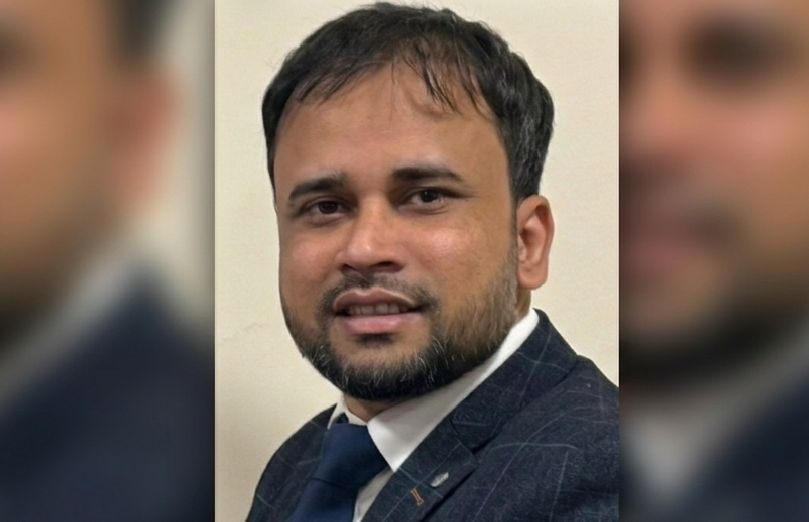
Photo: CNI
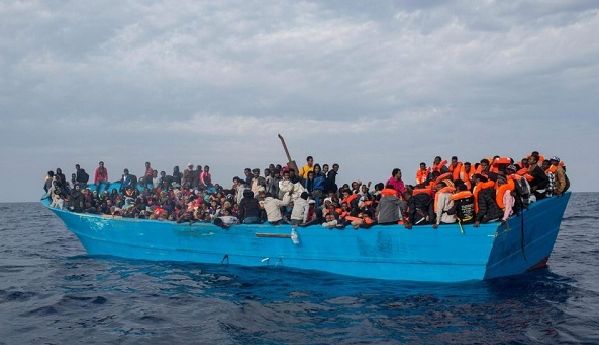
Misbah Chowdhury: Bangladesh’s response to the Rohingya crisis has been widely recognized as one of the most significant humanitarian gestures of the past decade. By sheltering nearly 1.5 million Rohingya refugees fleeing violence and persecution in Myanmar, the country demonstrated moral conviction and regional responsibility. This decision reflected not only state policy but also the compassion of ordinary Bangladeshis living near the camps. Yet nearly a decade later, a difficult truth is becoming unavoidable the crisis is not nearing resolution. The prospects of safe, voluntary and dignified repatriation appear increasingly distant due to Myanmar’s instability, unresolved citizenship issues and the absence of credible guarantees for return. Repatriation remains the only just and durable solution. But Bangladesh must also prepare for a prolonged hosting scenario. That requires an interim strategy balancing humanitarian duty with economic, social and security realities.
From Humanitarian Relief to Human Development
For years, humanitarian assistance has played a vital role in supporting the Rohingya population. However, long-term dependency on aid alone is neither sustainable nor beneficial for the refugees or the host communities. Bangladesh should consider expanding education to skills development
programs within and around the camps. Training in handicrafts, light manufacturing, electrical and plumbing services, Information technology and agriculture, Digital literacy programs, tailoring, food processing, and other practical trades can help refugees become more productive and self-reliant.
Where feasible and under proper supervision, small-scale industries and agricultural projects could be developed near designated camp areas. Such initiatives would not only provide refugees with meaningful daily activities and valuable skills but also help reduce idleness, frustration, and the social problems that often emerge in protracted refugee situations. Experience from refugee crises around the world demonstrates that people who remain inactive for years can become vulnerable to crime, trafficking, radicalization, and other negative influences. Productive engagement is therefore not only an economic necessity but also a social and security imperative.
International Burden Sharing,
Bangladesh should also intensify diplomatic efforts to encourage greater international burden sharing. The Rohingya crisis is not solely Bangladesh’s responsibility. it is an international humanitarian challenge requiring broader participation from the global community. Through history, countries have accepted displaced populations through various resettlement and humanitarian programs. Following the withdrawal from Afghanistan, 2,50,000 of Afghan refugees were resettled in countries such as the United States, the United Kingdom, Canada, and others. Similar arrangements have been implemented in different regions facing prolonged displacement crises.
Third country resettlement and labour mobility
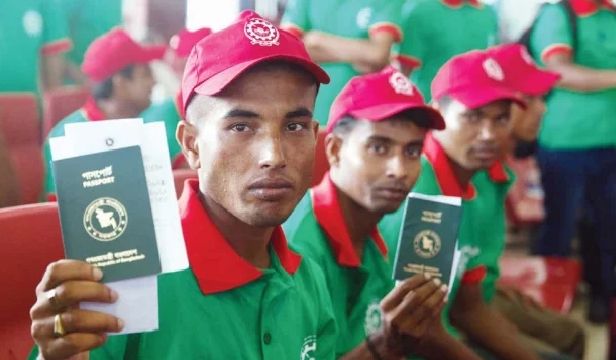
Working with international partners, Bangladesh could explore pathways for third-country resettlement, particularly for vulnerable groups and those who qualify under humanitarian programs. At the same time, vocational training could prepare Rohingya refugees for legal employment opportunities in countries facing labour shortages, including parts of East Asia, Europe, and the Middle East. One possible mechanism could be the issuance of internationally recognized travel documents that clearly identifies beneficiaries as refugees rather than Bangladeshi citizens, ensuring that any migration arrangement preserves Bangladesh’s legal and diplomatic position while providing opportunities for refugees to build productive lives elsewhere.
The Cost of Inaction
The greatest risk may lie in doing nothing. International donor fatigue is becoming an increasingly serious concern. Humanitarian resources are under pressure worldwide due to multiple ongoing conflicts and crises. If aid levels decline significantly while refugee populations continue to grow, the consequences could be severe for both the refugees and host communities. A sudden reduction in food assistance, healthcare, or basic services could create instability, increase desperation, and generate significant security challenges. Bangladesh cannot afford to wait until a crisis emerges before developing contingency plans.
Proactive planning is therefore not optional it is essential for stability and dignity.
Repatriation Must Remain the Ultimate Goal:
None of these interim measures should be interpreted as a substitute for repatriation. The long-term solution remains the safe, voluntary and dignified return of the Rohingya to their homeland in Myanmar with guarantees of citizenship, security and fundamental rights, Bangladesh has already demonstrated exceptional humanitarian leadership in one of the world’s most complex refugee crises That contribution is significant and widely recognized. Bangladesh should therefore pursue a dual-track approach continue leading international efforts for repatriation while simultaneously implementing practical interim measures that promote self-reliance, international burden sharing, and regional stability. The Rohingya crisis may not be resolved quickly. Recognizing this reality is not defeatism but realism.
The next challenge is to develop a forward-looking strategy that protects both the refugees and Bangladesh’s long-term national interests.
Misbah Chowdhury is a Bangladesh-born entrepreneur global trade strategist, and commentator on international affairs, trade and public policy based in the United Kingd.
West-Middle East conflict, time for Bangladesh to tap the...
1
Misbah Chowdhury: World politics is changing rapidly. The Mi...
Algerian Independence Day: A Legacy of Freedom, Courage, ...
2
Decolonisation is the most radical change within the system of the twentieth century, the arch...
IBCCI promoting regional trade network within SAARC
3
President of the India-Bangladesh Chamber of Commerce and Industry (IBCCI) Md. Moshiur Rahman ...
Prime Minister Tarique Rahman’s “Bangladesh First” Doctri...
4
Dr Mohammad Tarikul Islam (MTI) is a Professor of Government and Politics at Jahangirnagar Uni...
Kosovo Bangladesh Diplomatic Relations and Future Prospects
5
AKM SAYEDAD HOSSAIN:
Kosovo dec...



মন্তব্য (0)